Will Dana White’s Zuffa Boxing become “PBC 2.0”?
Article by Joseph Herron by War A Week Boxing
Boxing has seen this movie before. Will Zuffa Boxing learn from the past—or repeat it?
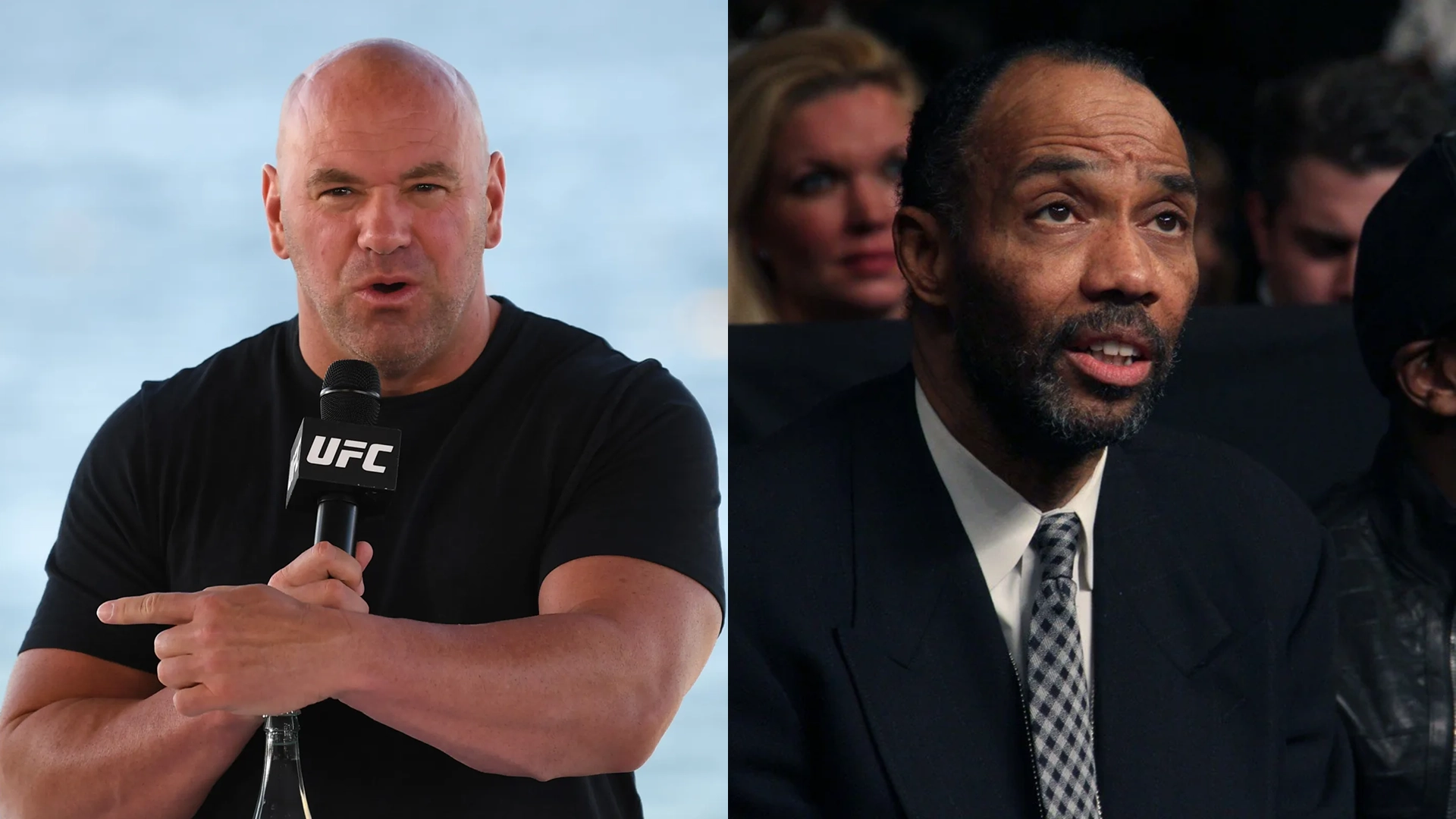
There is no denying that Dana White and Zuffa Boxing have entered the sport with an ambitious vision. Backed by the organizational strength of TKO, the global reach of Paramount+, and the influence of major figures from both boxing and mixed martial arts, Zuffa has the potential to bring structure, consistency, and renewed mainstream attention to professional boxing.
But before White attempts to reshape the sport in his own image, he would be wise to study one of boxing’s most expensive cautionary tales: the rise, expansion, and struggles of Premier Boxing Champions.
Al Haymon’s PBC project was born from an idea that many boxing fans had wanted to see for years. The sport’s best fighters would appear regularly on mainstream television, major events would reach a broader audience, and boxing would once again become a familiar part of the American sports landscape.
To make that vision a reality, Haymon and his financial partners reportedly committed hundreds of millions of dollars to secure television exposure and fund the operation. PBC purchased broadcast time across several networks, including NBC, CBS, ESPN, Fox, and Spike, in an effort to create a powerful platform that could eventually attract substantial rights fees.
The ambition was enormous.
The business model, however, became increasingly difficult to sustain.
The Danger of Trying to Control the Entire Sport
One of the central criticisms directed at Haymon was that PBC sought to build too much control over the boxing marketplace rather than developing a system that encouraged cooperation among competing promotional organizations.
Lawsuits filed by Top Rank and Golden Boy alleged that Haymon’s business practices were designed to restrict competitors’ access to networks, venues, and talent. Those claims were allegations made in litigation, not findings that should be treated as established fact, but they reflected a growing concern throughout the industry that PBC was attempting to become the dominant force in professional boxing.
That strategy created a fundamental problem.
Boxing has never been a single, unified sport in the traditional league sense. It is a global ecosystem made up of promoters, managers, broadcasters, sanctioning bodies, venues, trainers, fighters, sponsors, and networks. Its greatest fights often require rival organizations to set aside personal interests and negotiate for the good of the sport.
A company can become an important force in boxing without pretending it can operate boxing entirely on its own.
That distinction matters.
The sport’s history is filled with rival promoters who disliked one another but understood that certain matchups were too important to ignore. Bob Arum and Don King were hardly natural allies, yet boxing’s biggest opportunities sometimes required them to bury the hatchet and work together.
The fans were the real authority.
When the public demanded a major fight, the business had to respond.
Any modern promotional organization that forgets that lesson risks losing sight of the very people who make the sport financially viable.
The Inflated-Purse Problem
Another lesson from the PBC era involves the danger of paying fighters significantly more than the marketplace can reasonably support.
Attracting elite talent is expensive. There is nothing inherently wrong with paying fighters well, and professional boxers deserve to be compensated for the risks they take. But when purses become disconnected from ticket sales, television value, pay-per-view performance, sponsorship revenue, and genuine competitive demand, the entire business model begins to weaken.
The problem becomes even more serious when fighters receive enormous purses for opponents who present little competitive danger.
If a boxer is paid millions of dollars for a soft touch, what should that same fighter expect when asked to face a dangerous contender in a meaningful fight?
The expectation will almost certainly rise.
Soon, a promoter may find that a fighter demands a fortune not only for a major championship contest, but also for the routine assignments necessary to build toward that contest. The financial structure becomes distorted, and the promoter is pressured to keep breaking the bank simply to maintain the appearance of success.
That practice can produce several damaging consequences.
Fighters may become less willing to take meaningful risks. They may become less active because there is little financial incentive to fight frequently. Promoters may protect expensive investments rather than match them against equally dangerous opponents. Networks may receive expensive programming without receiving the compelling competition required to build a loyal audience.
And the fans—the people ultimately paying for the entire operation—are left with fewer meaningful fights.
A fighter cannot become a mainstream attraction by remaining inactive and avoiding serious challenges. Stars are created through a combination of talent, personality, consistency, risk, and memorable performances.
The public must have a reason to care.
That reason usually comes from seeing a fighter tested.
Free Television Is Not Enough
PBC deserves credit for trying to restore boxing to mainstream television. The concept was important, and the sport badly needed greater exposure. But simply placing boxing on a major network does not automatically create a successful television product.
The fights must matter.
The matchups must be competitive.
The fighters must remain active.
And the audience must believe that something meaningful is at stake.
PBC’s television experiment eventually encountered serious challenges. Some networks moved away from the series, and criticism emerged over uneven cards, mismatches, and the quality of the programming being delivered. ESPN reported in 2017 that Spike had ended its relationship with PBC after expressing dissatisfaction with the quality of some cards and choosing to devote greater attention to Bellator.
The lesson is not that free boxing on mainstream television cannot work.
The lesson is that free boxing must still be good television.
A network can provide the platform, but the sport must provide compelling content. The audience cannot be treated as an afterthought.
Is Zuffa Boxing Repeating the Same Mistakes?
Dana White has spoken repeatedly about the need for better matchmaking, greater consistency, and meaningful fights between unbeaten or highly regarded competitors. Those stated goals are encouraging. Zuffa has also emphasized regular events, a centralized presentation, and a more recognizable promotional identity.
That is where the comparison with PBC becomes especially important.
It would be premature to claim that Zuffa Boxing has already repeated every mistake associated with PBC. The company is still establishing itself, and its long-term financial structure remains different from the one that supported Haymon’s original television expansion.
But the warning signs that should concern White are clear.
If Zuffa attempts to isolate itself from the rest of the boxing industry, it will eventually encounter the same obstacle that has frustrated every effort to control the sport from the top down: the best fighters do not all belong to one company.
The biggest fights will require cooperation with other promoters.
The best contenders may be under rival contracts.
Championship opportunities may involve different sanctioning bodies.
And the fans will not care which executive controls the event. They will care whether the right fighters are facing one another at the right time.
Zuffa can build a strong brand without demanding that every important piece of boxing pass through its own hands.
In fact, the willingness to work with outside promotional entities may become one of the clearest signs that Zuffa understands the sport better than its predecessors did.
The Fans Are the Real Bosses
Boxing executives, promoters, networks, and investors may control the contracts, but the fans control the marketplace.
They decide which fights deserve attention.
They decide whether a pay-per-view is worth purchasing.
They decide whether a fighter becomes a household name or remains known only to dedicated followers.
They decide whether a network’s boxing investment is worth continuing.
That reality cannot be negotiated away.
The paying customer must be respected. The product must be built around the audience, not around the ego of a promoter or the desire of a company to dominate the marketplace.
Boxing is not the UFC, and it cannot simply be transformed into the UFC by changing the logo, centralizing the presentation, or importing a successful business philosophy from mixed martial arts.
The UFC operates under a fundamentally different structure. Boxing’s fragmented promotional landscape is both its greatest weakness and part of its historical identity. That structure creates problems, but it also allows fighters, promoters, and international markets to operate across a broad global network.
The solution is not necessarily to eliminate that ecosystem.
The solution may be to make the ecosystem work better.
The Opportunity—and the Responsibility
Zuffa Boxing has an opportunity that should not be underestimated. It has access to a major media platform, an established sports-entertainment infrastructure, and a leader who understands how to create recognizable events.
But that opportunity comes with enormous responsibility.
If Zuffa delivers meaningful fights, keeps fighters active, respects the audience, pays responsibly, and cooperates with competing promoters when necessary, it could help restore confidence in a sport that has spent years frustrating its own supporters.
If it becomes too controlling, too expensive, too protective of its investments, or too dismissive of the wider boxing community, it could find itself repeating the same cycle that damaged previous attempts to revolutionize the sport.
The greatest danger is not ambition.
The greatest danger is arrogance.
Boxing does not need another empire that believes it can operate independently of everyone else. It needs a responsible business model that recognizes the sport’s global nature and understands that its future depends on cooperation, competitive matchmaking, fighter activity, and public trust.
Al Haymon’s PBC experiment demonstrated that enormous financial resources and mainstream television access are not enough by themselves.
Dana White should learn that lesson before spending years and millions of dollars discovering it firsthand.
Because in the end, the real bosses of boxing have always been—and will always be—the fans.
And if the fans stop believing that the sport is being made for them, no amount of money, television exposure, corporate power, or promotional branding will be enough to save it.
Joseph Herron is the host of War A Week Boxing, a podcast that is featured on YouTube. He has been involved with boxing for over 30 years.